Blog

  • Developing a Reliable Routine for Healthy Tree Maintenance

    Trees require ongoing care to maintain their strength, appearance, and ability to support the surrounding environment. From providing shade and producing oxygen to protecting soil and supporting wildlife, trees offer benefits that make them valuable parts of residential gardens, parks, and commercial properties. Establishing a reliable maintenance routine helps prevent common tree problems and encourages healthy growth throughout the seasons.

    An effective tree care routine begins with regular observation. Checking the condition of leaves, branches, bark, and surrounding soil can reveal early signs of stress. Yellowing foliage, unusual spots, broken branches, and changes in bark texture may indicate environmental problems, pest activity, or disease. Recognizing these symptoms early makes it easier to determine whether the tree needs additional attention or professional assessment.

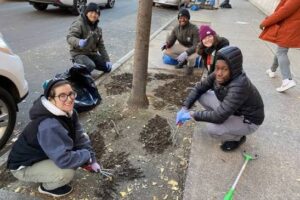
    Maintaining proper soil conditions is another important responsibility. Tree roots depend on healthy soil to obtain oxygen, water, and essential nutrients. Excessive foot traffic and construction activities can compact the ground, making it difficult for roots to develop. Adding organic mulch around the root zone can help maintain moisture, regulate soil temperature, and improve soil quality. Keeping the area around the trunk free from excessive mulch is equally important.

    Watering should be adjusted according to the tree’s age, species, and environmental conditions. Newly planted trees generally need more frequent watering because their roots have not fully established themselves. Established trees may require additional moisture during extended dry periods. Applying water slowly and deeply helps it reach the root zone, while checking soil moisture prevents unnecessary irrigation.

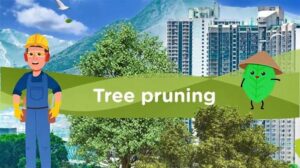
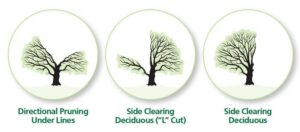
    Pruning is also an important part of responsible tree maintenance. Removing dead, damaged, and diseased branches can improve tree structure and reduce potential safety hazards. Properly maintained branches allow better airflow and sunlight penetration throughout the canopy. However, excessive pruning should be avoided because healthy foliage plays an essential role in producing energy for tree growth.

    Protecting trees from insects and diseases requires consistent attention. Some pests feed on leaves, while others damage bark, roots, and branches. Fungal infections may also affect different parts of a tree and gradually reduce its health. Inspecting trees regularly and seeking professional advice when unusual symptoms appear can help prevent further damage.

    Weather conditions should also influence maintenance decisions. Strong winds, heavy rainfall, and extreme temperatures can weaken branches and place additional stress on trees. Inspecting trees after severe weather helps identify broken limbs, exposed roots, and other problems that may require professional attention.

    In conclusion, maintaining healthy trees requires a combination of regular observation, appropriate watering, soil protection, and careful pruning. A consistent maintenance routine helps trees withstand environmental challenges while preserving their natural beauty and structural strength. By giving trees the attention they need, property owners can create healthier landscapes and contribute to a cleaner, greener environment for future generations.

  • Keeping Trees Healthy in Gardens With Clay Soil

    Clay soil can create several challenges for homeowners who want to grow healthy trees. It often holds moisture for longer than sandy soil, becomes hard when dry, and may drain slowly after heavy rainfall. I have worked with gardens where trees struggled because the soil conditions were never considered during planting. Understanding how clay behaves can make tree care much more successful.

    Understanding the Characteristics of Clay Soil

    Clay soil contains very small particles that fit closely together. This structure allows it to retain water and nutrients, which can benefit trees when the soil is properly managed. However, the same characteristics can restrict drainage and reduce the movement of air through the ground.

    When clay becomes saturated, the spaces available for oxygen around the roots become limited. Roots need oxygen for normal growth and other essential processes. If the soil stays waterlogged for extended periods, some trees may develop unhealthy roots and show signs of decline.

    During dry weather, clay can become extremely hard and develop cracks. This can make it difficult for water to penetrate evenly, especially when the surface has become compacted. Knowing these seasonal changes helps homeowners adjust their maintenance routine.

    Selecting Trees That Tolerate Local Soil Conditions

    Not every tree performs well in heavy clay. Some species tolerate occasional wet conditions, while others prefer freely draining soil. Before planting, I recommend checking the soil rather than assuming that a particular tree will adapt to any garden.

    The choice should also reflect the local climate, available sunlight, mature tree size, and planting space. A suitable species can establish more successfully when its natural growing preferences match the conditions in the garden.

    It is useful to observe existing trees and plants in the surrounding area. Their growth can provide clues about how well the soil supports vegetation. However, a tree performing well nearby does not guarantee that the same species will succeed in every part of the property.

    Preparing the Planting Area Correctly

    Planting preparation is especially important in clay soil. Digging a narrow hole and filling it with loose potting material may seem helpful, but it can create an unsuitable planting pocket. Water may collect inside the amended hole because the surrounding clay drains more slowly.

    I prefer assessing the drainage and preparing the planting area according to the tree’s requirements. The planting hole should generally be wider than the root ball without being unnecessarily deep. The root flare should remain visible at the soil surface rather than being buried.

    Avoid working heavily saturated clay because digging or walking over it can cause additional compaction. Waiting until the soil is moist but workable helps maintain a better structure during planting.

    Improving Soil Structure Over Time

    Improving clay soil usually requires patience. Adding suitable organic matter to garden beds can support soil organisms and improve the condition of the upper soil layers. Compost and other well-decomposed materials may help create a more favourable environment for plant growth.

    However, I avoid recommending deep digging around established trees because it can damage important roots. Soil improvement near mature trees should focus on gentle methods that do not disturb the root system.

    Organic mulch is another useful option. A suitable layer helps protect the surface from extreme temperatures, reduces moisture loss, and gradually contributes organic material as it breaks down. It should never be piled directly against the trunk.

    Managing Water During Wet and Dry Weather

    Water management is one of the most important parts of caring for trees in clay soil. Because clay holds moisture, homeowners sometimes water on a fixed schedule without checking the ground. This can lead to excessive moisture around the roots.

    Before watering, check the soil several inches below the surface. If it is still damp, additional water may not be necessary. During prolonged dry weather, slow and deep watering can help moisture reach the active root zone.

    Drainage problems should be investigated rather than ignored. Persistent standing water may indicate poor grading, compacted ground, or an underlying drainage issue. Installing drainage systems near established trees should be planned carefully to avoid unnecessary root damage.

    Recognizing Signs of Root Stress

    Trees growing in unsuitable clay conditions may show several warning signs. Yellowing leaves, reduced growth, premature leaf drop, and branch dieback can indicate stress. However, these symptoms may also result from pests, diseases, nutrient problems, or other environmental factors.

    I recommend observing changes over time instead of reacting to one unusual leaf or branch. Look at the entire canopy, inspect the soil around the tree, and consider whether the garden has recently experienced heavy rainfall or extended dry weather.

    If a mature tree begins declining without an obvious reason, a qualified arborist can assess its condition. A professional inspection may identify drainage problems, root damage, or other issues that are not easy to recognize from the surface.

    Avoiding Compaction Around Established Trees

    Clay soil becomes particularly vulnerable to compaction when it is wet. Heavy vehicles, garden machinery, and repeated foot traffic can compress the ground and make it harder for roots to receive air and water.

    I encourage homeowners to establish clear pathways and keep unnecessary traffic away from the main root zone. If landscaping work is planned, the soil around mature trees should be protected before equipment arrives.

    Adding more soil around the trunk is not a suitable way to solve uneven ground levels. It can cover the root flare and interfere with normal gas exchange. Changes to the ground around established trees should be approached with care.

    Maintaining Healthy Trees Throughout the Year

    Successful tree care in clay soil depends on understanding the ground and responding to changing conditions. Good species selection, proper planting depth, suitable watering, and careful soil protection can prevent many common problems.

    I recommend inspecting trees throughout the year, especially after periods of heavy rainfall or prolonged drought. Check for standing water, soil cracks, unusual leaf changes, and damaged branches. Regular observation makes it easier to recognize problems while they are still manageable.

    Clay soil does not have to prevent a garden from supporting beautiful trees. With suitable planting choices and consistent maintenance, trees can establish strong root systems and remain healthy for many years. The most important step is working with the natural characteristics of the soil rather than trying to change everything at once.

  • How Proper Tree Care Helps Maintain Beautiful Outdoor Spaces

    Trees are a valuable part of every landscape, bringing natural beauty, environmental benefits, and practical advantages to residential and commercial properties. They provide shade during warm weather, improve air quality, reduce soil erosion, and support a variety of wildlife. However, maintaining beautiful and healthy trees requires more than occasional watering. A consistent maintenance routine helps trees remain strong, prevents common problems, and encourages healthy development throughout the year.

    One important aspect of tree care is understanding the specific needs of different tree species. Some trees grow best in direct sunlight, while others prefer partially shaded environments. Soil conditions, available space, and local weather also influence how successfully a tree develops. Selecting appropriate species and planting them in suitable locations can reduce future maintenance challenges and support long-term growth.

    Maintaining a healthy root system is equally important. Tree roots absorb water and nutrients while providing stability against strong winds. Protecting the surrounding soil from excessive compaction, construction activities, and unnecessary digging helps roots develop properly. Adding a layer of organic mulch can improve soil moisture retention and reduce competition from weeds. However, mulch should always be kept away from direct contact with the trunk.

    Proper watering is another essential part of maintaining attractive outdoor spaces. Young trees need consistent moisture while establishing their roots, whereas mature trees generally require additional watering during extended dry periods. Deep watering encourages roots to grow into lower soil layers, improving access to moisture. Monitoring soil conditions before irrigation also helps prevent overwatering and unnecessary water waste.

    Pruning helps maintain the appearance, structure, and safety of trees. Removing dead or damaged branches reduces the possibility of falling limbs and allows the canopy to develop more evenly. Appropriate pruning can also improve sunlight penetration and airflow. However, cutting too many healthy branches can weaken a tree, so maintenance should always follow suitable pruning practices.

    Another important responsibility is protecting trees against pests and diseases. Unusual leaf discoloration, damaged bark, fungal growth, and declining branches may indicate underlying health problems. Regular inspections help property owners recognize these warning signs and seek appropriate treatment. Professional arborists can provide valuable advice when a tree requires specialized care or presents a potential safety concern.

    Seasonal maintenance also contributes to healthier landscapes. Checking trees after storms, adjusting watering schedules during dry weather, and removing competing weeds can help prevent unnecessary stress. Consistent observation allows property owners to respond to changing conditions before minor issues become more serious.

    In conclusion, proper tree care is essential for maintaining beautiful, safe, and environmentally friendly outdoor spaces. Through suitable planting, healthy soil management, appropriate watering, careful pruning, and regular inspections, property owners can encourage stronger growth and extend the life of their trees. Responsible maintenance preserves natural beauty while contributing to healthier communities and a greener future.

  • Why Proper Tree Care Matters Around Swimming Pools

    Trees can make a swimming pool area more attractive by providing shade, privacy, and a natural outdoor atmosphere. However, planting and maintaining trees near a pool requires careful planning. Falling leaves, expanding roots, overhanging branches, and excessive shade can all create maintenance challenges. I have worked with residential landscapes where a few thoughtful changes to tree placement and maintenance made pool areas much easier to manage.

    Choosing Suitable Trees Near a Pool

    The first step is selecting trees that match the available space and the conditions around the swimming pool. Some species produce large quantities of leaves, flowers, seeds, or fruit that can regularly fall into the water. Others develop wide canopies that may create too much shade or interfere with nearby structures.

    Before planting, I consider the mature height and spread of the tree, its seasonal shedding habits, and its general growth characteristics. A compact ornamental tree may be more suitable for a small poolside garden than a large shade tree with an extensive canopy.

    It is also important to consider the local climate and soil conditions. A tree that performs well in one garden may struggle in another because of differences in sunlight, drainage, or available growing space. Choosing an appropriate species from the beginning reduces the need for excessive maintenance later.

    Understanding Root Growth Around Pool Structures

    Roots are a major consideration when planting near swimming pools. As trees grow, their roots naturally spread through the soil in search of water, oxygen, and nutrients. Depending on the species and site conditions, roots may grow near paving, pool surrounds, pipes, and other structures.

    Healthy roots generally do not break through sound, intact pool structures. However, existing cracks, leaking pipes, and damaged joints can create opportunities for roots to enter and cause further problems. This is why inspecting pool plumbing and nearby drainage systems is important when unexplained water loss or recurring blockages occur.

    I recommend leaving an appropriate distance between trees and pool structures. The required space depends on the tree’s mature size, root characteristics, and the design of the pool area. For existing trees, a qualified arborist can assess root-related concerns before any major cutting or excavation takes place.

    Managing Leaves and Other Tree Debris

    Fallen leaves are one of the most common maintenance issues around swimming pools. During certain seasons, some trees may shed heavily and increase the amount of cleaning required. Leaves left floating in the water can collect in skimmers and filters, making regular pool maintenance more demanding.

    Practical tree placement can reduce this problem. Where possible, avoid positioning heavy-shedding species directly above the pool. If established trees already provide shade over the water, routine removal of dead branches and appropriate canopy maintenance can help manage debris.

    I also recommend keeping nearby garden beds tidy. Removing fallen leaves before they accumulate helps prevent them from being blown into the pool during windy weather. This small habit can make a noticeable difference to the cleanliness of the surrounding area.

    Maintaining Healthy Soil Around Poolside Trees

    Trees near swimming pools sometimes grow in restricted planting beds surrounded by concrete or paving. These conditions can reduce the amount of rainfall that reaches the soil. Over time, the ground may become dry, compacted, or unsuitable for healthy root development.

    A suitable layer of organic mulch can help retain soil moisture and moderate temperature changes. It should be kept away from direct contact with the trunk to avoid creating an environment that encourages bark decay.

    Watering should be adjusted according to the tree’s needs and the surrounding soil conditions. Pool water should not be treated as a substitute for proper irrigation because it may contain chemicals that are unsuitable for regular use on plants. Using an appropriate water source helps protect both the tree and the surrounding landscape.

    Pruning Trees for Better Poolside Clearance

    Branches growing over swimming pools may drop leaves, flowers, fruit, or small twigs into the water. They can also create problems if they extend too close to pool covers, lighting, fences, or outdoor seating areas.

    I prefer maintaining a natural canopy while removing branches that are dead, damaged, or creating genuine clearance concerns. Pruning should support the tree’s structure rather than simply removing large amounts of foliage to keep the area completely clear.

    Excessive pruning can stress a tree and encourage weak regrowth. Large branches should be handled by trained professionals, particularly when they extend over the pool or other areas where people gather. Proper equipment and an understanding of branch structure are important for safe work.

    Balancing Shade and Sunlight

    Shade can make a poolside area more comfortable during hot weather. A well-positioned tree may provide a pleasant place to relax without requiring additional shade structures. However, too much shade can make the pool area feel damp and reduce the amount of direct sunlight reaching the water.

    I recommend observing how sunlight moves across the garden before choosing planting locations. Trees should be positioned to provide useful shade while allowing enough light for the pool area to remain comfortable.

    The amount of shade needed will depend on the property’s layout and the preferences of the people using the space. A balanced design can combine natural shade, open sunlight, and suitable planting areas without overcrowding the poolside environment.

    Watching for Pests and Tree Diseases

    Poolside trees need the same attention as trees in other parts of the garden. Insects, fungal diseases, and environmental stress can affect foliage and branches. A weakened tree may develop deadwood that becomes a safety concern near areas used by family members and guests.

    I recommend inspecting leaves, bark, and branches regularly. Unusual spots, discolouration, sticky deposits, and sudden leaf loss can indicate a problem. These symptoms should be properly identified before any treatment is applied.

    Avoid spraying chemicals near the pool without checking product instructions and considering the risk of contamination. If a tree has a serious pest or disease problem, a qualified tree-care professional can recommend suitable treatment methods.

    Creating a Comfortable and Safe Poolside Landscape

    A swimming pool and healthy trees can work well together when the landscape is planned carefully. Suitable species, sensible planting distances, proper watering, and regular pruning all contribute to a cleaner and more attractive outdoor space.

    I encourage homeowners to consider the future size of every tree before planting near a pool. A small sapling may appear harmless, but its canopy and roots will develop over time. Planning ahead can prevent unnecessary maintenance and reduce conflicts with nearby structures.

    With consistent care, poolside trees can provide privacy, natural beauty, and welcome shade. The key is to maintain a balance between the needs of the trees and the practical requirements of the swimming pool.

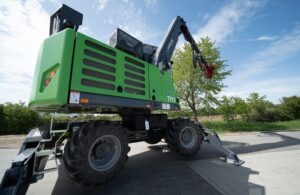
  • Understanding the Best Practices for Long-Term Tree Health

    Maintaining healthy trees is an important part of creating a sustainable and attractive outdoor environment. Trees provide numerous benefits, including cleaner air, natural shade, improved soil stability, and shelter for different wildlife species. They also enhance property value and make gardens, parks, and commercial landscapes more enjoyable. To preserve these benefits, trees need regular attention, suitable growing conditions, and proper maintenance throughout their lives.

    One of the most effective ways to support tree health is through proper planting and early establishment. Selecting a tree species that matches the local climate and soil conditions can significantly influence its future growth. Before planting, it is important to evaluate sunlight exposure, drainage, and available space. Planting at the correct depth allows roots to establish naturally and reduces the risk of problems associated with buried trunks or exposed root systems.

    Water management is another essential part of long-term tree maintenance. Trees require sufficient moisture to support nutrient absorption, healthy foliage, and root development. Newly planted trees usually need more frequent watering than established trees because their roots are still developing. During dry weather, deep watering can help maintain adequate soil moisture. However, irrigation should be adjusted according to rainfall and drainage conditions to prevent waterlogging.

    Maintaining healthy soil also plays a significant role in tree development. Soil provides essential nutrients and oxygen that roots need to function properly. Compacted ground can restrict root growth and reduce the movement of water through the soil. Applying organic mulch around the root zone helps conserve moisture, regulate soil temperature, and improve soil quality over time. Avoiding unnecessary digging and heavy equipment near trees can further protect their roots.

    Pruning is another important practice that supports healthy tree structure. Removing dead, damaged, or diseased branches helps reduce potential hazards and encourages better canopy development. Proper pruning can improve airflow and allow sunlight to reach different parts of the tree. It should always be performed carefully, since excessive cutting can weaken a tree and create unnecessary wounds.

    Regular monitoring for pests and diseases is equally important. Changes in leaf color, unusual growth patterns, damaged bark, and fungal activity can indicate developing problems. Identifying these symptoms early allows property owners to seek appropriate solutions before the tree experiences significant damage. Consulting a qualified arborist is particularly useful when problems involve large branches, structural instability, or persistent disease.

    In addition to routine maintenance, trees should receive attention after severe weather. Strong winds, heavy rainfall, and extreme temperatures can affect branch strength and root stability. Inspecting trees after storms helps identify damage and determine whether professional assistance is needed.

    In conclusion, long-term tree health depends on consistent care and preventive maintenance. Proper planting, balanced watering, healthy soil, responsible pruning, and regular inspections all contribute to stronger and longer-lasting trees. By following these practices, property owners can protect their landscapes, support local ecosystems, and help create a greener environment for generations to come.

  • Protecting Valuable Trees with Proper Care and Maintenance

    Trees are an important part of a healthy and attractive environment. They provide shade, improve air quality, support biodiversity, and make residential and commercial properties more welcoming. Despite their natural ability to grow, trees can experience various challenges that affect their health and stability. Proper maintenance helps prevent these problems and ensures that trees continue to provide environmental benefits for many years.

    One essential part of tree care is maintaining healthy roots. A strong root system provides stability and allows trees to absorb the water and nutrients necessary for growth. Protecting the soil around the roots from unnecessary digging, construction activities, and heavy traffic can prevent significant damage. Applying organic mulch around the root zone also helps maintain moisture and improve soil conditions. Care should be taken to avoid covering the trunk with mulch.

    Providing adequate water is equally important for maintaining healthy trees. Different species have different moisture requirements, and these needs can change depending on weather conditions and tree age. Newly planted trees need consistent watering while their roots become established. During particularly hot periods, checking soil moisture can help determine whether additional irrigation is necessary. Proper drainage should also be maintained to prevent water from accumulating around the roots.

    Another important maintenance activity is inspecting and managing tree branches. Dead, broken, and diseased limbs can create safety concerns and affect the overall structure of a tree. Careful pruning helps remove unwanted growth while maintaining a balanced canopy. It is important to use proper cutting techniques and avoid removing too much healthy foliage. Large branches and trees with structural problems should be evaluated by qualified professionals.

    Protecting trees against pests and diseases is also necessary for long-term health. Insects, fungi, and other harmful organisms can damage different parts of a tree. Regularly examining leaves, bark, and branches helps property owners recognize early symptoms such as unusual spots, holes, discoloration, or declining growth. Identifying the underlying cause is important before selecting a treatment because not every visible symptom requires chemical intervention.

    Seasonal maintenance can further improve tree condition. During dry weather, additional attention to watering may be necessary, while storms can create broken branches and other structural damage. Removing competing weeds and maintaining suitable soil conditions also support healthy development. These simple activities can make a meaningful difference in the appearance and longevity of trees.

    In conclusion, protecting valuable trees requires consistent maintenance and an understanding of their growing requirements. Healthy roots, appropriate watering, careful pruning, and early detection of pests and diseases all contribute to stronger trees. By following responsible tree care practices, property owners can preserve their outdoor landscapes, protect natural resources, and create healthier surroundings for future generations.

  • Maintaining Healthy Trees in Windy Residential Areas

    Strong winds can place considerable pressure on trees, especially those growing in open gardens, coastal properties, and locations without natural wind protection. I have seen trees develop uneven canopies, broken branches, and weakened structures after repeated exposure to strong gusts. Although wind cannot be controlled, proper tree selection and regular maintenance can reduce many related problems.

    Understanding How Wind Affects Trees

    Wind affects different trees in different ways. A young tree with a thin trunk may bend considerably, while a mature tree with a broad canopy can experience pressure across a large surface area. The condition of the branches, root system, and surrounding soil all influence how well a tree handles these forces.

    Trees growing in exposed locations often develop uneven growth because they receive stronger wind from one direction. Over time, branches may become more developed on the sheltered side. This does not automatically mean the tree is unhealthy, but an unbalanced structure may need professional attention.

    Repeated movement can also expose existing weaknesses. Branches with poor attachments, deadwood, and damaged sections may be more likely to break during severe weather. Regular inspections help identify these concerns before they become dangerous.

    Selecting Trees for Exposed Locations

    The most effective wind management begins before planting. A tree selected for a sheltered courtyard may not perform well in an open garden where strong gusts are common. I always consider local weather conditions alongside the mature size and growth habits of a species.

    Trees with suitable branching structures and healthy root development are generally better choices for exposed locations. However, no tree is completely resistant to storm damage. Soil type, planting quality, water availability, and ongoing maintenance all influence its performance.

    It is also important to avoid planting trees too close together simply to create a windbreak. Overcrowding can restrict airflow and encourage competition for light, water, and nutrients. A carefully planned arrangement gives each tree enough space to develop.

    Establishing Strong Young Trees

    Young trees need particular attention because their trunks and root systems are still developing. If a newly planted tree moves excessively in strong winds, its roots may struggle to establish properly. However, keeping every young tree tightly supported for too long can also prevent natural trunk development.

    Staking should be used when the site conditions or tree structure make it necessary. Supports should allow a suitable amount of movement while preventing excessive bending. They must also be checked regularly to ensure straps are not rubbing against the trunk.

    I recommend inspecting young trees after windy weather. Check whether the trunk is leaning, the soil has shifted around the root ball, or the support system has become loose. Correcting small problems early can help the tree establish a stronger structure.

    Pruning to Improve Branch Structure

    Proper pruning can help reduce the risk of branch failure, but it should not involve removing large amounts of healthy foliage just to make a tree smaller. Excessive canopy removal can weaken a tree and encourage poorly attached regrowth.

    I focus on removing dead, broken, and damaged branches when appropriate. Crossing branches and weak attachments may also need attention depending on the tree’s structure. The goal is to maintain a balanced canopy while preserving enough foliage for healthy growth.

    Large branches should be assessed by an experienced arborist, especially when they extend over buildings, driveways, or areas where people regularly walk. Avoid climbing trees or attempting heavy pruning without the proper training and equipment.

    Improving Soil and Root Stability

    A healthy root system helps anchor a tree during strong winds. Roots need suitable soil conditions to grow and spread, so compacted or poorly drained ground can create long-term difficulties. Before planting, I recommend checking whether the soil allows water to drain properly while retaining enough moisture for the chosen species.

    Organic mulch can help protect the root zone by reducing moisture loss and moderating soil temperature. It should be spread around the tree without touching the trunk. Maintaining suitable soil moisture is especially important during dry periods when roots may become stressed.

    Avoid disturbing major roots during nearby landscaping projects. Excavation, excessive soil removal, and heavy machinery can weaken the tree’s support system. If construction is planned near a mature tree, professional advice can help reduce unnecessary damage.

    Protecting Trees During Severe Weather

    When strong winds are forecast, property owners should pay attention to existing tree hazards. Dead branches, hanging limbs, and visibly damaged sections may need professional assessment before conditions worsen. Loose garden furniture and other objects should also be moved away from trees.

    After a storm, inspect the canopy from a safe distance. Look for broken branches, cracks in major limbs, exposed roots, and changes in the tree’s position. Do not approach a tree that has fallen onto electrical wires. Contact the appropriate utility service and emergency professionals instead.

    Avoid immediately removing every damaged branch without assessing the tree. Some trees can recover from moderate damage, while others may have structural problems that require more extensive work. An arborist can determine the safest course of action.

    Recognizing Signs of Wind-Related Stress

    Wind-related damage is not always obvious. A tree may show gradual changes in leaf growth, branch development, or overall canopy density after repeated exposure. Bark injuries and small cracks can also provide clues that a tree has experienced physical stress.

    I recommend keeping an eye on trees that lean more noticeably over time. A natural lean is not always dangerous, but a sudden change in position deserves attention. Soil lifting around the base or visible movement of the root plate can indicate a serious stability problem.

    Regular inspections are especially valuable for trees near homes, roads, parking spaces, and outdoor seating areas. Identifying structural concerns early gives property owners more time to arrange appropriate maintenance.

    Building a Wind-Resistant Landscape

    A healthy landscape does not need to be completely sheltered from the wind. The goal is to select suitable trees, provide good growing conditions, and manage structural weaknesses before they become serious problems.

    I encourage homeowners to consider wind exposure when planning new planting areas. Giving trees enough space, protecting their roots, and maintaining a balanced canopy can improve their ability to withstand difficult weather.

    With consistent care, trees can continue providing shade, privacy, and natural beauty even in exposed gardens. Good preparation will not eliminate every risk, but it can make a meaningful difference to the long-term health and safety of the landscape.

  • Improving Tree Health Through Smart Maintenance Practices

    Trees are an essential part of healthy landscapes, providing environmental, economic, and aesthetic benefits. They help clean the air, reduce heat, protect soil from erosion, and create natural habitats for wildlife. However, maintaining these benefits requires consistent attention and appropriate care. A well-planned tree maintenance routine can improve tree health, prevent unnecessary damage, and support stronger growth over time.

    One important factor in successful tree care is maintaining the right growing environment. Trees need sufficient sunlight, suitable soil conditions, and enough space to develop their roots and branches. When planting new trees, property owners should consider the mature size of each species and avoid locations where roots may interfere with underground utilities or building foundations. Proper planning reduces future maintenance challenges and gives trees a better opportunity to thrive.

    Watering correctly is another important part of maintaining healthy trees. Water requirements depend on the tree species, age, soil type, and weather conditions. Young trees need regular moisture while their roots become established, whereas mature trees may require additional watering during extended periods of drought. Applying water slowly around the root zone encourages deeper penetration and helps roots develop more effectively.

    Soil management also has a direct impact on tree development. Compacted soil can limit oxygen circulation and make it difficult for roots to absorb water and nutrients. Adding organic mulch around the tree can improve soil conditions, conserve moisture, and reduce weed growth. Property owners should maintain a suitable mulch layer while keeping it away from direct contact with the trunk to prevent moisture-related damage.

    Regular pruning is necessary to maintain healthy tree structures. Removing dead, broken, or diseased branches can improve safety and prevent certain problems from spreading. Properly maintained branches also contribute to a balanced canopy and better airflow. However, excessive pruning should be avoided because healthy leaves are essential for producing the energy required for growth.

    Another valuable maintenance practice is checking trees for pests and diseases. Insect damage, fungal infections, and environmental stress can cause visible changes in leaves, bark, and branches. Early identification allows property owners to address problems before they significantly affect the tree. Professional arborists can provide reliable assessments and recommend suitable treatment methods when needed.

    Trees also benefit from regular inspections during seasonal weather changes. Strong winds, heavy rainfall, and extreme temperatures can create structural problems or increase stress. Checking trees after severe weather helps identify damaged branches and other potential hazards that may require attention.

    In conclusion, smart tree maintenance combines proper watering, soil management, responsible pruning, and regular health inspections. These practices help trees develop strong roots, maintain healthy canopies, and withstand environmental challenges. By making tree care a regular priority, property owners can protect their landscapes, preserve natural resources, and contribute to a healthier environment for future generations.

  • Creating a Greener Outdoor Space Through Effective Tree Care

    Trees are an important investment in the beauty and environmental health of any property. They provide natural shade, improve air quality, reduce surrounding temperatures, and create habitats for wildlife. Whether growing in a small garden or across a large landscape, trees need proper attention to remain healthy and attractive. Developing good tree care habits helps prevent damage, supports natural growth, and protects these valuable resources for the future.

    A successful tree maintenance routine starts with observing the tree’s overall condition. Healthy trees generally have strong branches, stable trunks, and foliage appropriate for their species and season. Changes such as thinning leaves, unusual discoloration, cracked bark, or declining branches may indicate that the tree is experiencing stress. Regular observation makes it easier to recognize these warning signs and determine whether additional care is necessary.

    Providing suitable water is one of the most important ways to support tree health. Water helps transport nutrients throughout the tree and maintains essential biological processes. Newly planted trees require particular attention because their roots need time to establish themselves in the surrounding soil. Deep and gradual watering encourages stronger root development, while adjusting irrigation according to rainfall prevents unnecessary water consumption.

    Another important practice is maintaining the soil surrounding the tree. Healthy soil contains the nutrients, moisture, and oxygen needed for proper root development. Applying organic mulch around the root zone can help maintain moisture, reduce weed competition, and protect roots from temperature fluctuations. It is also important to avoid excessive digging or placing heavy materials near the trunk, as these activities can damage important roots.

    Pruning plays a significant role in maintaining tree structure and appearance. Removing dead, diseased, and damaged branches helps reduce potential hazards and allows the remaining canopy to develop properly. Proper pruning also improves air circulation and sunlight penetration. However, every cut should have a clear purpose because removing too much healthy foliage can weaken the tree and interfere with its natural development.

    Protecting trees from insects and diseases is equally essential. Pests may damage leaves, weaken branches, or affect the bark, while certain diseases can spread through roots and other plant tissues. Inspecting trees regularly helps identify unusual symptoms before they become severe. When necessary, professional arborists can recommend appropriate treatments and maintenance strategies.

    Finally, seasonal maintenance helps trees respond to changing environmental conditions. Monitoring soil moisture during hot weather, inspecting branches after storms, and addressing visible damage can prevent larger problems. Consistent attention throughout the year creates better growing conditions and supports long-term tree health.

    In conclusion, effective tree care involves a combination of observation, prevention, and regular maintenance. Providing adequate water, protecting roots, pruning responsibly, and monitoring for pests and diseases helps trees remain strong and attractive. These practices improve individual landscapes while supporting environmental sustainability and creating greener outdoor spaces for generations to enjoy.

  • Helping Trees Thrive in Areas With Heavy Foot Traffic

    Trees growing beside sidewalks, driveways, public seating areas, and busy garden paths face challenges that are not always visible from above the ground. People walking repeatedly over the same soil can gradually compact it, reducing the space available for air and water. I have seen healthy-looking trees begin to decline simply because the ground around their roots was being used too heavily. Protecting the soil is one of the most important parts of maintaining trees in busy outdoor spaces.

    Why Repeated Foot Traffic Can Harm Trees

    Tree roots need oxygen, moisture, and suitable soil conditions to function properly. When people repeatedly walk or stand over the same area, the soil particles can become compressed. This reduces the natural spaces that allow water and oxygen to move through the ground.

    Compaction can also make it harder for rainwater to reach deeper soil layers. Instead of soaking into the ground, water may collect on the surface or run toward nearby paved areas. Over time, the tree may struggle to absorb enough moisture, particularly during hot and dry weather.

    The effects are not always immediate. Mature trees may continue producing leaves for some time even when their root environment is deteriorating. This is why I pay attention to soil conditions instead of relying only on the appearance of the canopy.

    Creating a Protected Area Around the Trunk

    One practical way to reduce damage is to establish a protected area around the base of the tree. A small landscape bed, suitable edging, or low protective barrier can discourage people from walking directly over sensitive soil.

    The size of the protected area should reflect the tree’s age, species, and available space. A young ornamental tree may need a different arrangement from a large shade tree with an extensive root system. Where possible, leaving a generous area of open or mulched soil provides better conditions for natural root development.

    I also recommend keeping bicycles, garden equipment, and heavy objects away from the trunk. Repeated impacts can injure the bark, while stored materials may prevent the soil from receiving adequate rainfall.

    Choosing Suitable Ground Cover

    Bare soil around trees can become dusty in dry weather and muddy after rain. A suitable ground cover can improve the appearance of the area while helping protect the soil surface. Organic mulch is often a useful option because it reduces moisture loss and moderates soil temperature.

    Wood chips or other appropriate organic materials can be spread in a broad layer around the tree. However, mulch should remain several inches away from the trunk. Piling it directly against the bark can create excessive moisture and encourage decay or pest problems.

    In some locations, low-growing shade-tolerant plants may be suitable. Their water and nutrient requirements should be considered before planting because they can compete with tree roots. Avoid aggressive ground covers that spread into unwanted areas or require frequent digging and maintenance.

    Designing Walkways Around Existing Trees

    When planning a pathway near an established tree, I prefer adjusting the route rather than forcing the tree to fit an unsuitable design. A slight curve in a walkway may provide enough room to preserve important roots while maintaining convenient access.

    The choice of paving material also matters. Conventional solid surfaces can prevent rainfall from reaching the soil beneath them. Permeable paving may help improve water movement when installed correctly, although it does not remove the need to protect the root zone from compaction.

    Construction work near existing trees should be carefully planned. Digging, cutting roots, or raising soil levels can cause long-term damage. If a walkway must pass close to a mature tree, consulting an arborist before construction is a sensible precaution.

    Managing Water and Drainage in Busy Spaces

    Trees beside busy paths sometimes receive less natural rainfall because nearby surfaces redirect water. A paved area may send runoff toward a drain instead of allowing it to soak into the root zone. Other designs may concentrate too much water in one location.

    I recommend checking the soil during dry periods to understand how quickly it loses moisture. Water should be applied slowly enough to soak into the ground rather than running across the surface. Deep, appropriate watering is generally more useful than frequent light sprinkling.

    Drainage should also be monitored after heavy rain. Persistent standing water may indicate compacted soil or an underlying drainage issue. Correcting the cause is more effective than repeatedly treating the visible symptoms.

    Inspecting Trees in Public and Commercial Areas

    Trees in busy locations need regular inspections because they are exposed to more accidental damage than trees in private garden beds. People may strike the trunk with equipment, attach signs or decorations to branches, or place objects against the bark.

    I look for broken branches, bark injuries, exposed roots, soil compaction, and changes in leaf condition. It is also important to notice whether branches interfere with pedestrian movement or visibility around entrances and roads.

    Pruning should maintain safe clearance without removing more of the canopy than necessary. Large branches over public walkways should be assessed by a qualified professional, particularly when there are signs of decay or structural weakness.

    Improving Soil Without Causing More Damage

    When soil becomes compacted, aggressive digging around the tree can make the situation worse. Cutting through roots while trying to loosen the ground may create additional stress. The correct treatment depends on how severe the compaction is and how close the affected soil is to important roots.

    A qualified arborist may recommend suitable soil improvement methods, such as carefully managed aeration or the addition of organic material. These methods should be selected according to the tree’s condition rather than applied automatically.

    Avoid driving machinery over the root zone during maintenance work. Even a short period of heavy equipment use can create lasting changes in soil structure, especially when the ground is wet.

    Maintaining Trees for Long-Term Health

    Trees in high-traffic areas can remain healthy when their growing conditions are protected. The most effective approach combines sensible walkway design, suitable ground cover, careful watering, and regular inspections.

    I encourage property owners and facility managers to think about how people use the outdoor space throughout the day. A tree may need protection from pedestrian shortcuts, outdoor furniture, delivery vehicles, or routine maintenance activities. Small changes to the layout can reduce repeated pressure on the root zone.

    With proper planning, trees can continue providing shade, improving the appearance of busy landscapes, and making outdoor spaces more comfortable. Protecting the soil beneath them is just as important as caring for the visible branches and leaves.